
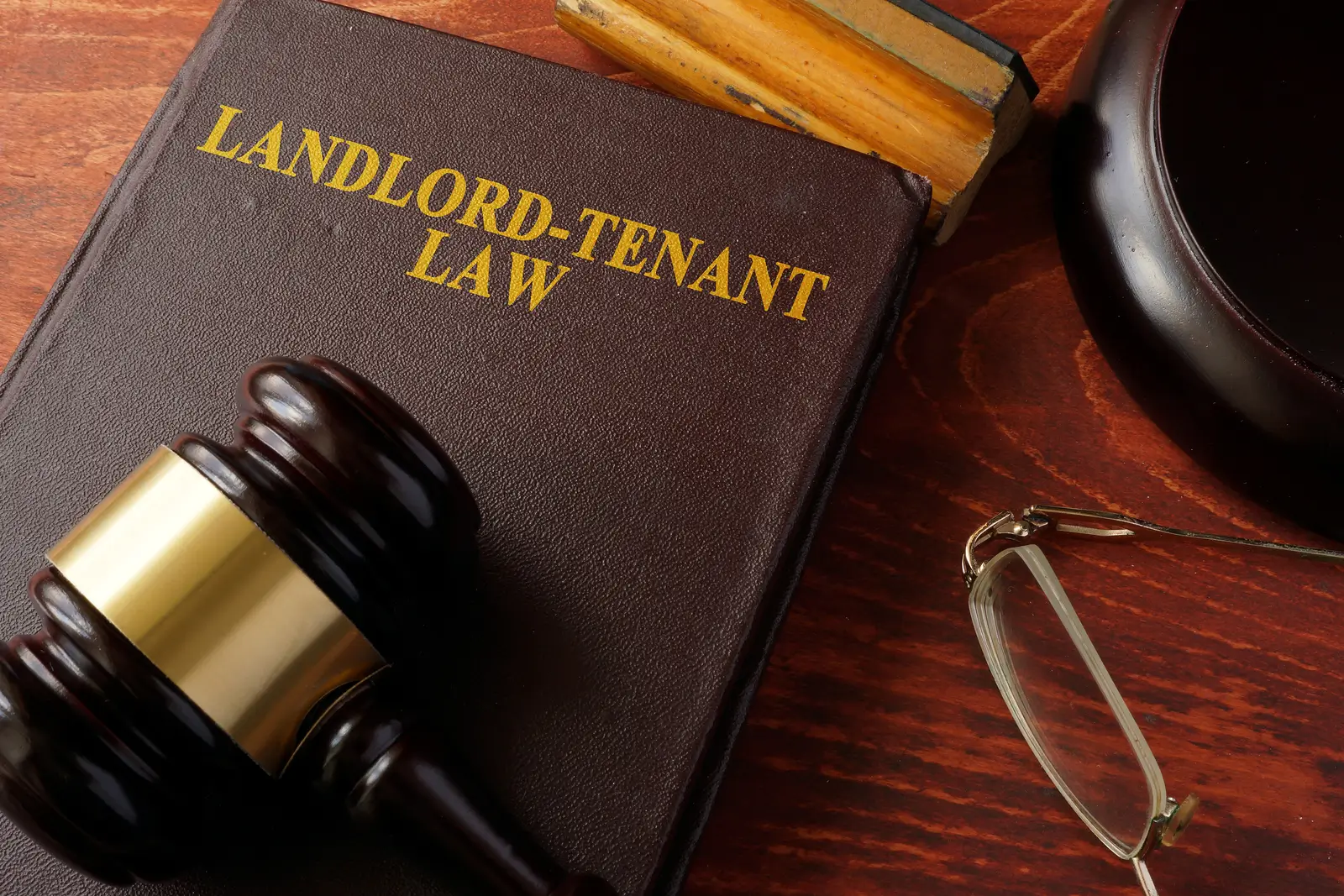
Tennessee continues to refine its landlord–tenant regulations, and as 2026 approaches, rental property owners across Clarksville and surrounding areas need to stay ahead of legal updates.
Whether you own a single-family rental in Sango or a multi-unit property in Oak Grove, understanding your obligations, and your rights, is essential for staying compliant, protecting your investment, and maintaining strong tenant relationships.
At Haus Realty & Management, we help landlords navigate these complexities daily, and this guide breaks down the most important changes and best practices for 2026 involving entry notice rules, repair responsibilities, and rent collection regulations.
Key Takeaways
Tennessee’s entry notice expectations lean heavily on “reasonable notice,” and 2026 clarifications encourage at least 24 hours for non-emergency entry.
Landlords must maintain essential services, including heat, water, electricity, and safe structural conditions, with stricter expectations around timely repairs.
Rent collection laws still favor landlords, but 2026 guidance emphasizes clearer documentation and proper notice before late fees or eviction filings.
Security deposit rules remain landlord-friendly, but documentation during move-in and move-out is more important than ever.
Local enforcement is strengthening in areas like Clarksville and St. Bethlehem, increasing the importance of following Tennessee Uniform Residential Landlord and Tenant Act (URLTA) standards.
Tennessee Landlord-Tenant Rights Overview (2026 Update)
Tennessee’s landlord–tenant laws are guided by the Uniform Residential Landlord and Tenant Act (URLTA), which applies in counties or cities with populations over 75,000. This includes Montgomery County, impacting landlords in Clarksville, Sango, St. Bethlehem, Woodlawn, and Oak Grove directly, while landlords in more rural areas like Dover, Palmyra, Stewart, Adams, and Cumberland Furnace should follow best practices to avoid disputes and maintain compliance.
While 2026 isn’t introducing sweeping legal overhauls, the state is strengthening clarity around existing expectations, especially concerning landlord entry, timely repairs, and rent-related notices.
Entry Notice Requirements in Tennessee (2026)
Tennessee does not currently mandate a specific statewide notification period for landlords entering a rental unit. However, both courts and legal best practices have moved toward expecting:
✔ At least 24 hours' notice for non-emergency entry
This isn’t explicitly law, but 2026 guidelines and legal experts consistently refer to “reasonable notice” and courts interpret 24 hours as the reasonable minimum.
Valid reasons to enter:
Inspections
Showing the property to prospective renters or buyers
Checking for suspected lease violations
Emergency situations (no notice required)
Emergency Entry
Landlords may enter without notice during:
Fire
Burst pipes
Gas leaks
Situations posing immediate health or safety risks
Expected 2026 Best Practices
Although still not explicitly mandated, Tennessee will continue encouraging:
Notice given in writing, ideally by email or tenant portal
Entry hours limited to 8 AM – 8 PM unless tenants agree otherwise
Logging each entry for documentation
Haus Realty & Management tip: We coach all Clarksville-area landlords to always document when and why they provide notice. It reduces disputes, especially during security deposit claims or lease violations.
Repair & Maintenance Responsibilities in 2026
Landlords must provide safe, habitable housing under URLTA standards. The tenant cannot waive these rights, even voluntarily.
Landlords must maintain:
Heating and cooling systems
Hot and cold running water
Plumbing and electrical systems
Structural integrity (floors, walls, stairways, roofing)
Smoke detectors
Pest-free conditions
Safe and sanitary common areas
Timeframe for Repairs
Tennessee doesn’t specify an exact repair deadline, but the general expectation is:
14 days for non-emergency repairs
Immediate action for emergency repairs
If a repair meaningfully affects health and safety (lack of heat, water leaks, electrical hazards), landlords must address it promptly—or tenants may have legal remedies.
What Tenants Can Legally Do if Repairs Aren't Made
Tenants may:
Deliver a written repair request
Give a 14-day notice to terminate the lease if not resolved
Potentially withhold rent (rare but possible through court action)
Seek damages or court-ordered repairs
Avoiding Repair Disputes
Landlords in rural areas like Stewart or Palmyra often struggle with contractor availability. That’s why we recommend:
Maintaining a vendor list
Performing seasonal maintenance
Conducting regular inspections
Offering 24/7 maintenance reporting
Haus Realty & Management ensures all repair requests are handled through a digital system, creating timestamps and documentation that are invaluable if disputes arise.
Rent Collection Laws & Late Fees (2026)
Rent collection remains one of the most landlord-friendly parts of Tennessee law—but it still requires proper notice and documentation.
Rent Due Dates
Unless stated otherwise in the lease, rent is due on the date agreed upon—typically the 1st of the month.
Grace Period
Tennessee does not require a grace period, but most 2026 leases continue offering:
A 5-day voluntary grace period (common practice, not law).
Late Fees
Late fees must be:
Stated in the lease
Reasonable and non-punitive
Tennessee’s standard:
10% of monthly rent or less is generally accepted as reasonable
Rent Collection Best Practices for 2026
Use digital payment portals
Send automated reminders
Provide receipts for all payments
Document all communication about past-due rent
Eviction for Nonpayment
Before filing for eviction, landlords must provide:
A written notice requiring rent to be paid
No specific notice period is required under URLTA, but most landlords use 7 days as the standard
Once filed, the tenant has the opportunity to pay past-due rent plus fees before the court date to dismiss the case.
Security Deposit Rules for Tennessee Landlords
Security deposit laws are not changing in 2026, but courts are enforcing them more strictly—especially in high-population areas like Clarksville.
Key Rules
No deposit limit statewide
Must keep deposits in a dedicated account
Must return deposit or list deductions within 30 days
Must provide an inspection checklist
Most Frequent Court Disputes
Lack of move-out photos
No record of entry or repair notices
Landlords failing to provide itemized damage lists
With enforcement tightening, documentation is now the number one best practice for protecting yourself.
Additional Tennessee Landlord Responsibilities
1. Provide a Written Lease
Month-to-month is allowed, but a written lease is strongly recommended.
2. Follow Fair Housing Laws
Protected classes include:
Race, color, religion, national origin
Sex, disability, familial status
3. Provide Lead Paint Disclosure (pre-1978 properties)
4. Honor Tenant Privacy
Even without a strict notice law, courts expect reasonable notice.
FAQs Tennessee Landlords Are Asking in 2026
1. Can I increase rent in 2026 without restrictions?
Yes—Tennessee has no rent control laws. You may increase rent with proper notice:
Typically 30 days for month-to-month leases
As stated in fixed-term leases
2. Can I charge tenants for repairs they caused?
Absolutely. If tenants damage the property beyond normal wear and tear—such as broken windows, pet damage, or unauthorized alterations—you may charge them and deduct from their security deposit.
3. What happens if tenants refuse to allow entry?
If tenants deny access for legitimate reasons (repairs, inspections, showings), you may:
Document the refusal
Issue a lease violation notice
Pursue legal remedies if refusal continues
Courts generally support landlords when access is necessary and notice is reasonable.
Stay Compliant and Protect Your Investment with Haus Realty & Management
As Tennessee sharpens its landlord–tenant guidelines heading into 2026, rental property owners across Clarksville, Sango, Woodlawn, St. Bethlehem, Dover, Cumberland Furnace, Palmyra, Stewart, Adams, and Oak Grove must stay informed and proactive.
Following best practices for entry notices, timely repairs, documentation, and rent collection not only keeps you compliant, it protects your investment and reduces disputes.
At Haus Realty & Management, we specialize in helping landlords stay ahead of changing regulations while maximizing rental performance. From legal compliance to tenant communication to full-service property management, our team handles the details so you can enjoy a compliant and profitable rental experience. Contact us today!